

In House Capabilities
BIM (Building Information Modelling)
Mossop Construction + Interiors stays at the forefront of construction technology, providing the right digital tools across both site and office to suit each project’s needs.
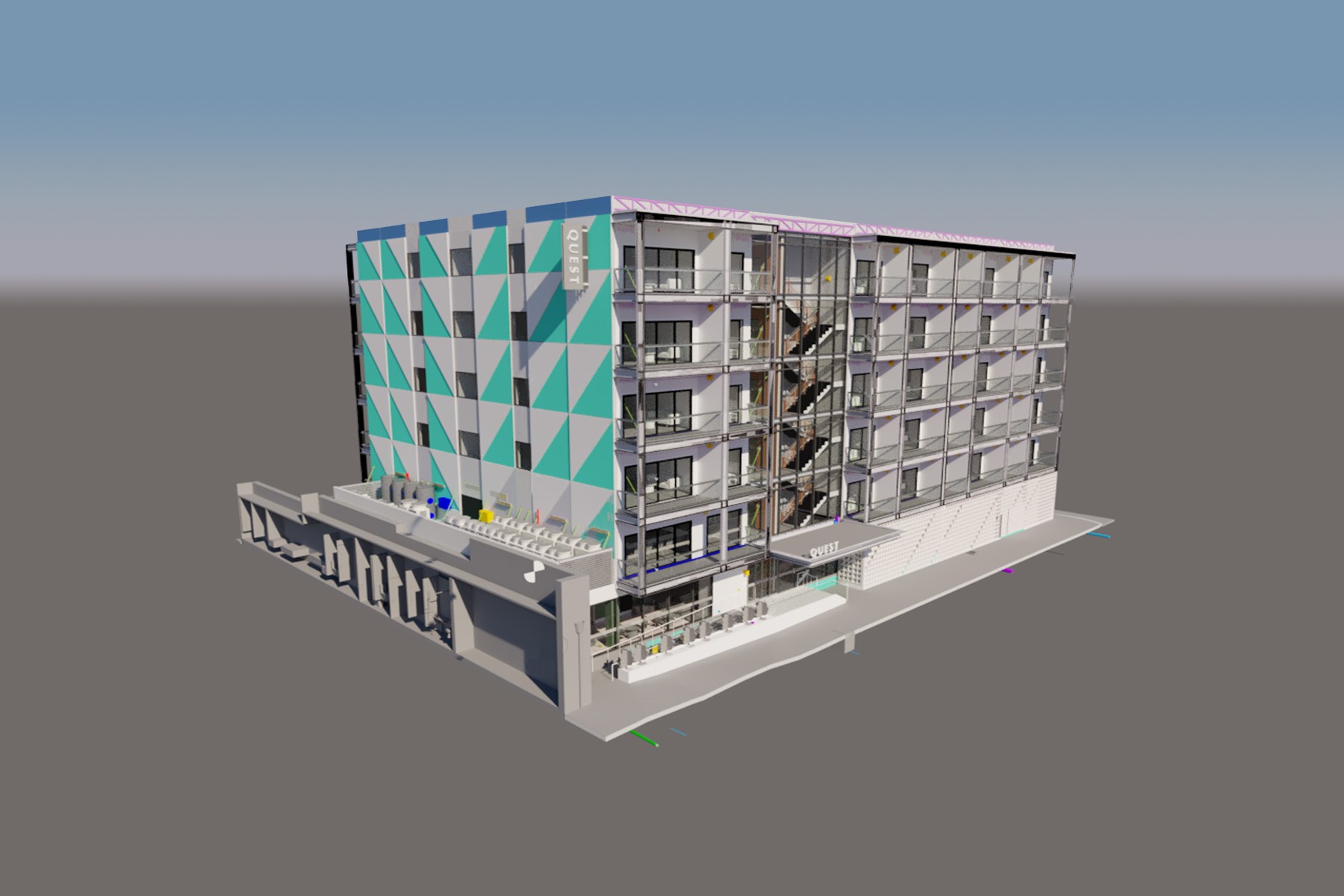
Building Information Modelling (BIM) represents a building as a collection of intelligent 3D objects. These objects include geometry, technical data, and, where required, detailed information for maintenance, replacement parts, and long-term asset management.
Using BIM tools such as Autodesk Revit, we can generate detailed drawings and multiple project views directly from a central model. This allows clients, consultants, and trades to visualise the project before construction begins, reducing uncertainty, identifying potential issues early, and improving both spatial and functional outcomes.
3D models form the basis for shop drawings and can be accessed on computers and mobile devices, providing real-time insights into dimensions, finishes, quantities, timelines, and costs (depending on the level of detail). As projects evolve, platforms like Autodesk Construction Cloud enable the inclusion of as-built data, warranties, and maintenance information for use throughout the building’s lifecycle.
BIM Across the Project Lifecycle
BIM development is measured by Levels of Development (LOD), and typically includes:
- 3D BIM – Design modelling, coordination, and clash detection
- 4D BIM – Integration with project timelines
- 5D BIM – Cost planning and tracking
- 6D BIM – Facilities management, maintenance, and asset data
BIM at Mossop Construction + Interiors
We use Autodesk Construction Cloud as a central platform to manage and collaborate on all project information, from architecture and structure to civil works and building services, across both design and construction phases.
This cloud-based system acts as a Common Data Environment (CDE), allowing all stakeholders (clients, consultants, and trades) to work together in real time, regardless of location. It integrates seamlessly with industry tools such as Revit, Navisworks, Tekla, AutoCAD, and more, ensuring all data is connected and up to date.
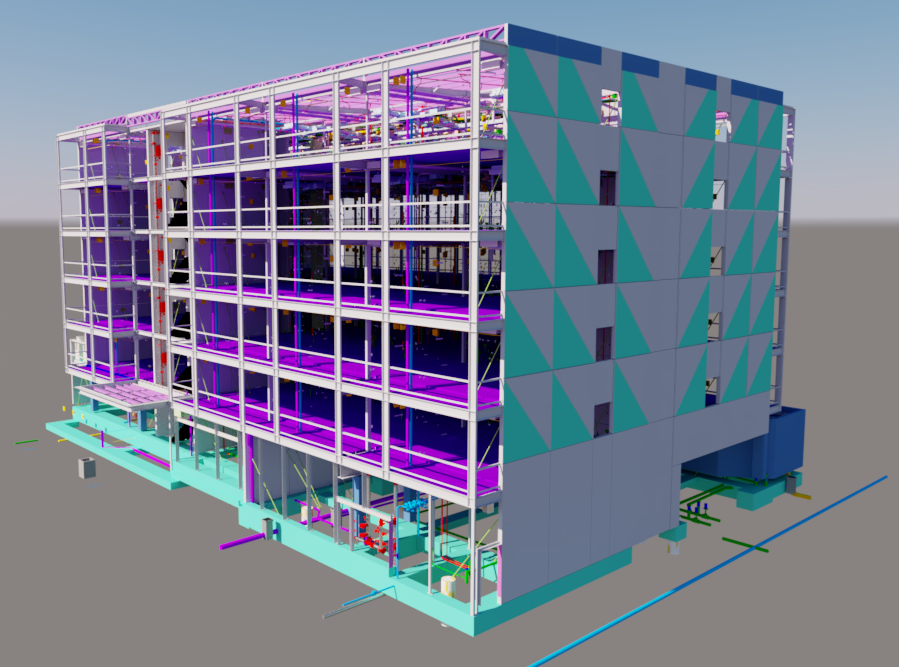
BIM also plays a critical role in clash detection, identifying and locating conflicts early in the process. This reduces RFIs, delays, and rework during construction, helping control costs and minimise variations.
By encouraging early collaboration across all design and engineering disciplines, BIM supports a smarter, more efficient delivery, ensuring projects are completed right the first time.
“Do it once, do it right.”
Engineering
The Engineering team at Mossop Construction + Interiors plays a key role in quality assurance, construction compliance and project delivery. Our multidisciplinary team specialises in Civil, Structural and Building Services Engineering, providing tailored, real-time solutions throughout every stage of a project to support faster decision-making, improved constructability and cost control.
Our Civil and Structural Engineers provide specialist oversight across:
- Demolition
- Earthworks, including building pads
- In-situ and precast concrete
- Structural steel
- Stormwater services
Our Services Engineers specialise in:
- Electrical
- Mechanical
- Hydraulic
- Fire services
Together, our Engineers also manage key building certification and compliance requirements, including:
- Waterproofing
- In-wall and ceiling sign-offs
- Fire-rating and acoustic compliance
- Building envelope weather tightness
- Defect rectification
Quality & Information Management
Central to our quality management processes is our Information Management System (IMS), powered by Procore. Procore is utilised across all aspects of our projects, providing Clients and Consultants with transparency and confidence throughout the project lifecycle.
The system provides a centralised platform for:
- Project documentation, progress photography and reporting
- Submissions and reviews
- RFIs, instructions and variations
- ITPs and Action Plans
- On-site meeting minutes
Project information remains accessible to authorised users throughout the project and beyond Practical Completion and the Defects Liability Period. Projects are formally archived once all contractual obligations have been completed and confirmed as closed out by the relevant stakeholders.